Uncovering Links Between Wearable Fitness Tracker Data and Sports Wagering Choices Among Active Users
Sage Schröder · Oct 31, 2026
Uncovering Links Between Wearable Fitness Tracker Data and Sports Wagering Choices Among Active Users
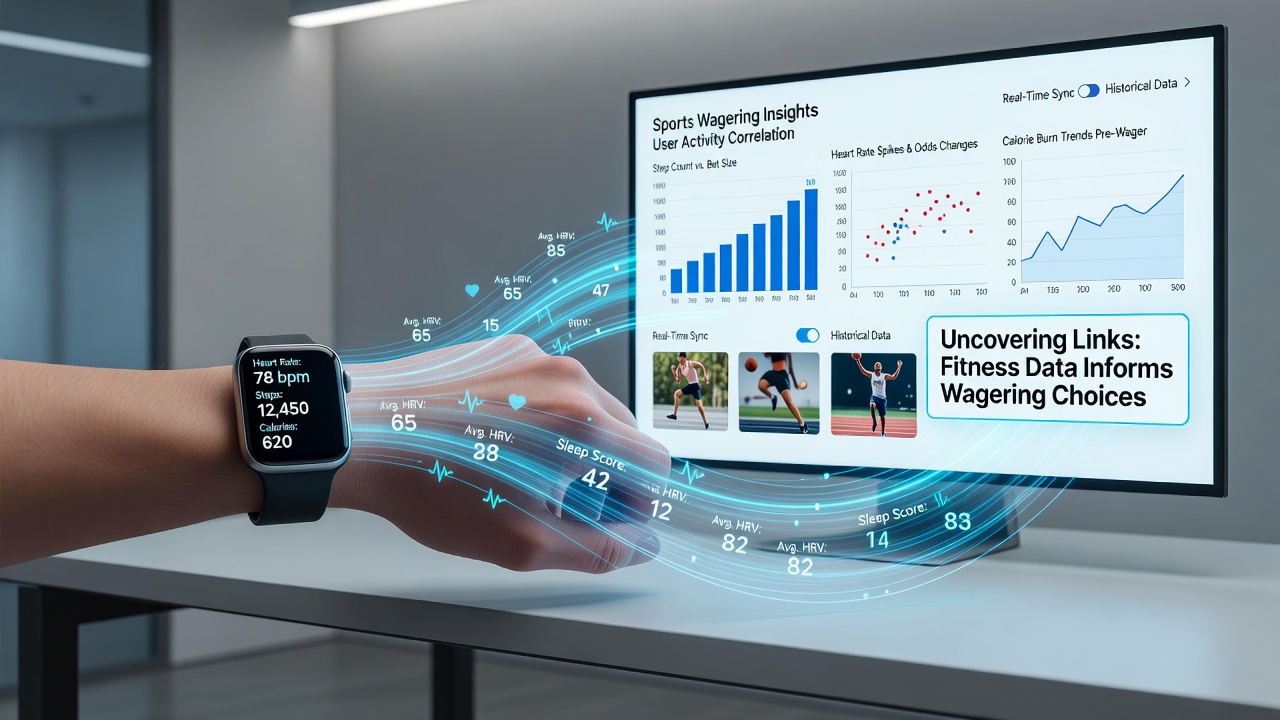
Researchers have started mapping connections between data from wearable fitness trackers and the sports wagering patterns of active users, with studies focusing on metrics such as daily step counts, heart rate variability, and sleep duration. Data from devices like Fitbit and Apple Watch shows measurable shifts in betting frequency and wager sizes that align with recorded physical activity levels, and these patterns emerge across multiple user cohorts in regulated markets. Observers note that higher step counts on a given day often correspond with increased participation in live event betting, while lower activity readings link to more conservative selections in pre-match markets.
Tracking Physical Metrics and Betting Behavior
Analyses of anonymized datasets reveal that users logging consistent moderate exercise tend to adjust their stake amounts in response to real-time performance indicators from their devices, and this adjustment occurs more frequently during evening hours when heart rate recovery data indicates lower stress. Studies conducted through university partnerships have examined thousands of participants who share tracker outputs alongside betting histories, and the results point to correlations between improved sleep scores and a preference for multi-leg parlays over single-event wagers. In October 2026 several North American research groups released updated findings drawn from the previous twelve months, highlighting how seasonal changes in activity levels coincide with shifts in overall wagering volume on major league events.
One study tracked participants across three months and found that days with elevated resting heart rates often preceded smaller average bet sizes, whereas periods of stable sleep patterns aligned with higher engagement in prop bets tied to player statistics. These observations come from voluntary data-sharing programs that combine wearable outputs with transaction records from licensed operators, and the methodology avoids direct causation claims while emphasizing observable associations. Experts have observed similar trends in European samples where tracker data from Garmin devices shows comparable alignments with regional sports betting habits.
Regional Data Patterns and Device Integration
Reports from the Australian Institute of Health and Welfare document rising interest in integrating fitness metrics with responsible gambling tools, and several operators have begun testing optional features that surface activity summaries alongside account dashboards. Users in these programs receive periodic updates on how their recorded movement levels relate to historical betting sessions, though participation remains entirely voluntary. In Canada, provincial regulators have reviewed similar pilot programs that draw on anonymized health and wagering data to identify potential risk indicators without accessing individual identities.
What's interesting is the way device manufacturers have started collaborating with research institutions on aggregated datasets that exclude personal details, allowing broader statistical modeling of activity and choice patterns. Data indicates that users who maintain higher weekly step averages place more bets on underdog selections in certain sports, while those with fluctuating sleep metrics show greater variation in session length. These findings draw from controlled studies that match timestamped tracker readings with betting timestamps, and the approach has expanded to include additional variables such as location-based activity and seasonal daylight exposure.
Methodological Approaches in Current Research
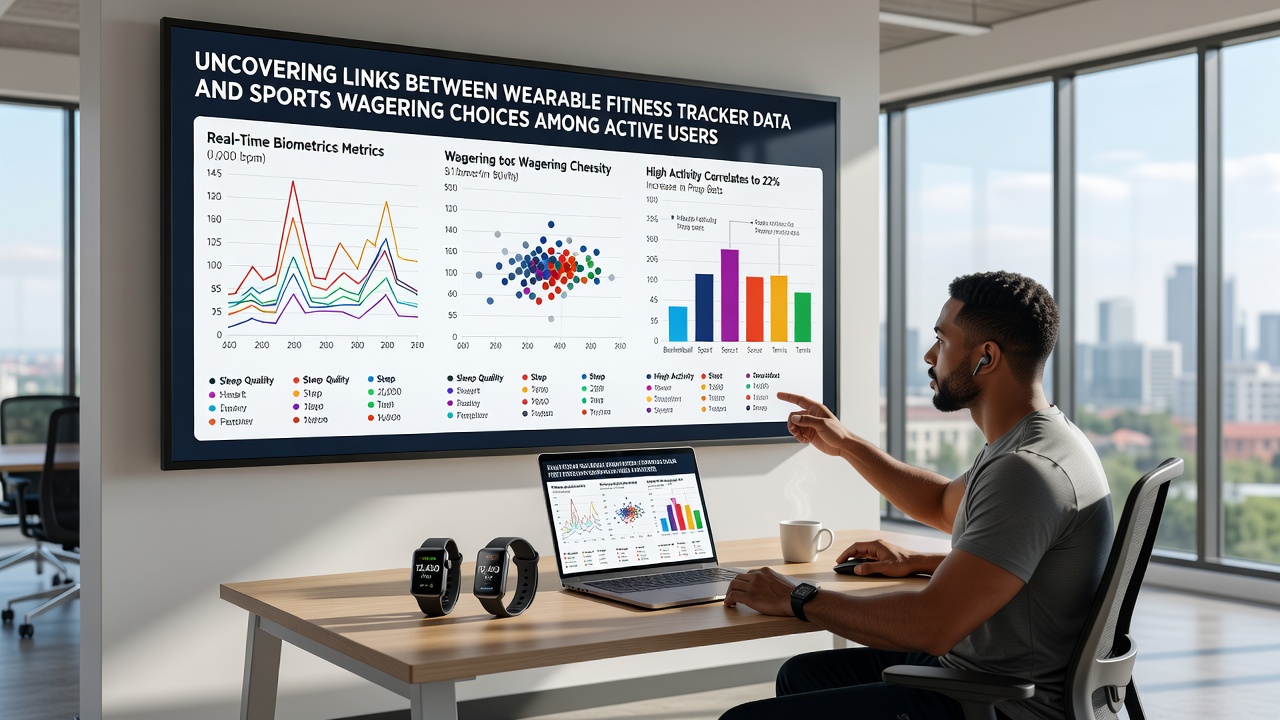
Academic teams employ longitudinal designs that follow participants over multiple seasons, collecting both continuous wearable streams and discrete betting events to build statistical models of association. Researchers apply machine learning techniques to surface non-linear relationships, such as the way brief spikes in physical exertion sometimes precede concentrated betting on high-profile matches. Figures from a collaborative project involving several universities reveal that users who share both fitness and wagering data exhibit distinct clustering around activity thresholds, with one group showing steady patterns and another displaying more reactive adjustments after intense training days.
But here's the thing: the datasets remain limited to users who opt in, which means broader population inferences require careful qualification. Regulatory bodies in multiple jurisdictions have issued guidance on data privacy standards for these combined research efforts, and compliance frameworks emphasize encryption and aggregation at every stage. Observers note that ongoing work in October 2026 continues to refine these protocols, with new emphasis on cross-device compatibility between different wearable brands and betting platforms.
Future Directions for Data Integration
Industry reports project continued growth in the volume of combined fitness and wagering datasets as more users adopt health-tracking devices, and this expansion supports increasingly granular analysis of temporal patterns. Government agencies in Australia and select European countries have funded additional studies that examine how environmental factors like temperature and daylight interact with both physical activity and betting selections. Those who've reviewed preliminary outputs indicate that incorporating weather-linked activity data may further clarify some of the observed associations between tracker metrics and wager timing.
Conclusion
Current evidence establishes measurable associations between wearable fitness tracker outputs and sports wagering choices among active users, with multiple studies documenting correlations across activity levels, sleep quality, and specific betting behaviors. Research continues to expand through voluntary data-sharing initiatives and privacy-compliant methodologies, while regional regulatory approaches shape how these datasets support further inquiry. The patterns identified so far provide a foundation for ongoing examination without establishing direct causal pathways.