Shifts in Player Selection Preferences During Peak Hours at Multi-Table Poker Rooms Influenced by Queue Dynamics and Seat Availability
Logan Vogel · Aug 26, 2026
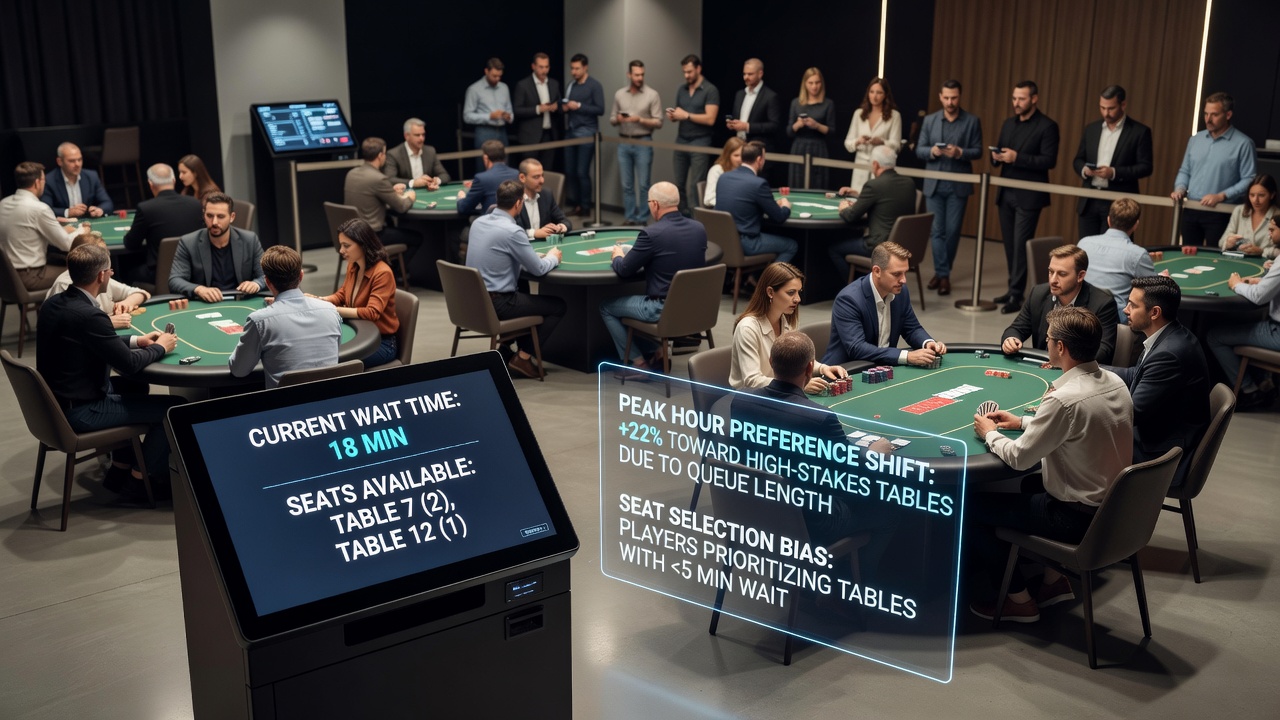
Shifts in Player Selection Preferences During Peak Hours at Multi-Table Poker Rooms Influenced by Queue Dynamics and Seat Availability
Multi-table poker rooms experience distinct changes in how participants approach table and seat choices once queues lengthen during high-demand periods, and data from multiple jurisdictions shows these patterns hold steady across major venues. Observers note that evening rushes and weekend surges create predictable bottlenecks where wait times stretch beyond thirty minutes, prompting adjustments in the criteria players apply when selecting positions once called from the list.
Queue Systems and Their Operational Structure
Poker rooms typically maintain electronic or manual lists that track player names, requested game types, and stake levels, while staff call participants in sequence as seats open. Research indicates that rooms using digital boards reduce disputes over order compared with handwritten sheets, yet both methods produce similar downstream effects on decision making once a player reaches the top of the list. In August 2026, several properties in Nevada and Atlantic City reported average peak-hour wait times between forty-five and seventy-five minutes for popular $1/$2 and $2/$5 no-limit hold'em games, according to aggregated floor reports.
How Availability Alters Initial Preferences
Players who arrive during slower periods often request specific seats such as those with strong position relative to the dealer button or proximity to known regulars, yet the same individuals frequently accept any open chair once their name reaches the front during crowded hours. Studies from behavioral tracking in card rooms reveal that tolerance for less desirable seats rises sharply after thirty minutes of waiting, because the alternative involves returning to the end of the queue. Seat availability therefore overrides earlier strategic intentions more often than not when tables turn over rapidly.
Observed Patterns in Game and Table Type Selection
Data collected across multiple properties shows a measurable tilt toward lower-stakes or mixed-game tables once wait times exceed one hour, even among players whose primary preference remains higher-stakes no-limit hold'em. Those who've studied floor logs note that participants sometimes switch requested game types entirely rather than continue waiting, and this shift occurs most frequently between 7 p.m. and 11 p.m. on Fridays and Saturdays. Queue dynamics therefore influence not only seat choice but also the format of play ultimately selected.

Regional Data and Regulatory Context
Figures released by the Nevada Gaming Control Board document steady growth in poker room drop during peak summer months, with 2026 totals reflecting increased table utilization rates that correlate with longer queues. Similar patterns appear in reports from the Alcohol and Gaming Commission of Ontario, where multi-table facilities track seat occupancy and wait-list length as operational metrics. These datasets confirm that player movement between available tables accelerates once any single game reaches capacity, creating ripple effects that redistribute participants across remaining open seats.
Staff Interventions and Their Effects
Floor supervisors sometimes consolidate shorter-handed tables or open new games to shorten queues, and these actions directly change the set of choices presented to waiting players. Records from several large venues indicate that proactive table openings during peak windows reduce the rate at which participants abandon their requested game type, while delayed openings correlate with higher rates of last-minute switches. Seat availability at the moment of call therefore functions as the immediate filter that determines final selection.
Conclusion
Queue length and real-time seat inventory together produce measurable, recurring adjustments in the decisions players make once they reach the top of the list, and operational data from multiple regions continues to map these interactions through 2026. Facilities that monitor both metrics gain clearer pictures of how availability shapes participation patterns during the busiest stretches of the day.