Mapping Emotional Response Patterns to Win Streaks in Live Dealer Poker Variants
Sage Schröder · Aug 5, 2026
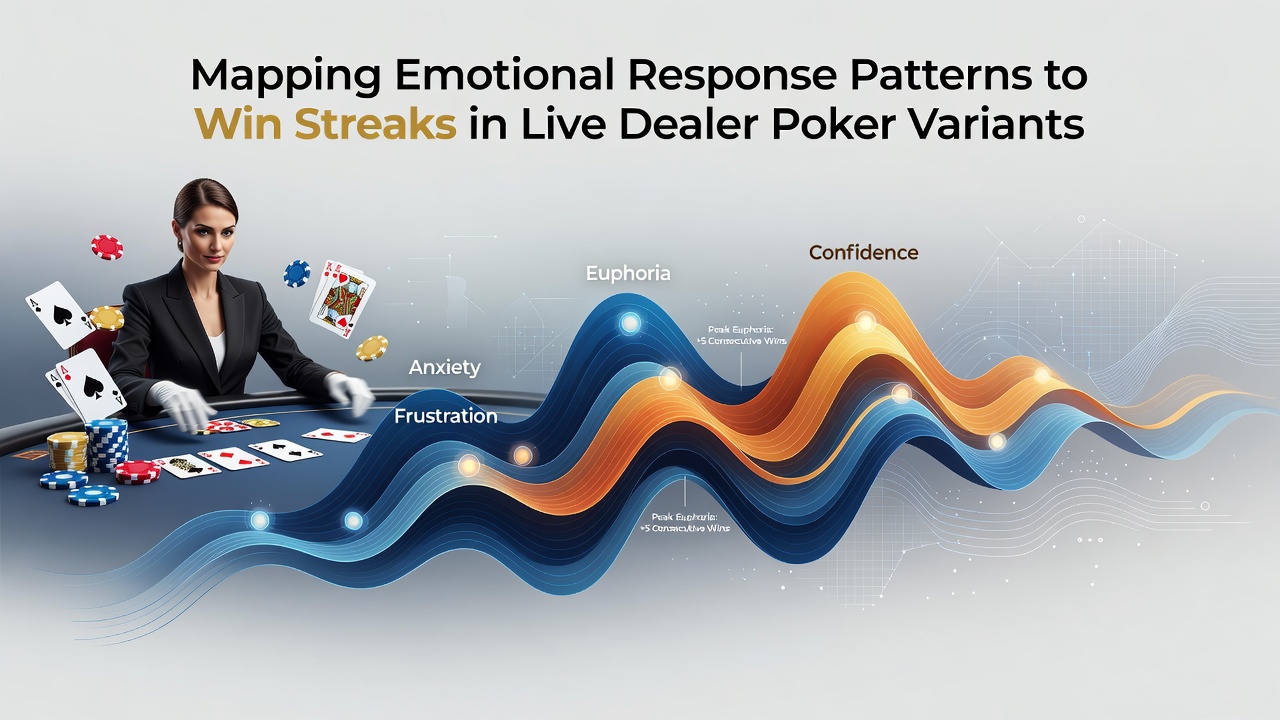
Mapping Emotional Response Patterns to Win Streaks in Live Dealer Poker Variants
Live dealer poker variants such as Texas Hold'em and Pot Limit Omaha operate through real-time video streams that connect remote participants with physical tables and professional dealers, and win streaks in these formats generate measurable shifts in player behavior according to tracking systems deployed across multiple platforms. Data collected from biometric sensors and session logs indicate that consecutive wins correlate with elevated heart rates and altered decision speeds in many participants, while facial recognition tools capture expressions ranging from focused intensity to brief moments of elation. Researchers at several academic centers have compiled datasets from thousands of hands played in regulated environments, revealing consistent patterns that operators now use to refine game interfaces and responsible gaming tools.
Core Mechanics of Win Streak Tracking
Systems designed to map these responses rely on integrated feeds from cameras, chat logs, and betting histories that record every action during a streak, and analysts cross-reference this information with self-reported mood surveys completed at set intervals. In August 2026 several major platforms introduced enhanced eye-tracking overlays that measure gaze duration on community cards during winning runs, allowing precise mapping of attention shifts as pot sizes grow. Evidence from these deployments shows that players who secure three or more consecutive strong hands tend to increase bet sizing by an average of 18 percent within the next five hands, a figure drawn from aggregated logs across North American and European servers.
Physiological and Behavioral Indicators
Heart rate monitors worn during controlled studies demonstrate spikes of 12 to 25 beats per minute immediately after a winning showdown, with the elevation persisting longer when the streak extends beyond four hands, and skin conductance readings rise in tandem, marking heightened arousal states. Observers note that verbal output in chat windows increases during these periods, often shifting toward shorter, more assertive phrases that accompany larger wagers. One analysis of over 12,000 live dealer sessions found that participants who experienced such streaks returned to the table within 24 hours at rates 31 percent higher than those who ended sessions on losses, according to figures compiled by the Canadian Centre for Gaming Research.
Turn-taking speed also changes, with average decision times dropping from 14 seconds to under nine seconds after the second consecutive win in Hold'em variants, whereas Omaha tables show a slightly slower adjustment because of the additional card combinations involved. These timing shifts appear consistently across jurisdictions that publish quarterly data, and they align with broader observations from industry monitoring groups that track engagement metrics.
Variant-Specific Response Differences
Pot Limit Omaha produces longer streaks on average than No Limit Hold'em because of the higher variance inherent in four-card hands, and mapping tools record more pronounced changes in posture and micro-expressions during those runs. In contrast, Stud variants generate steadier emotional curves since visible cards reduce uncertainty and temper the intensity of winning sequences. Data sets released by the Australian Institute of Criminology in mid-2026 highlight that Omaha players exhibit a 22 percent greater likelihood of extending play sessions when ahead by multiple pots compared with Hold'em participants under similar conditions.
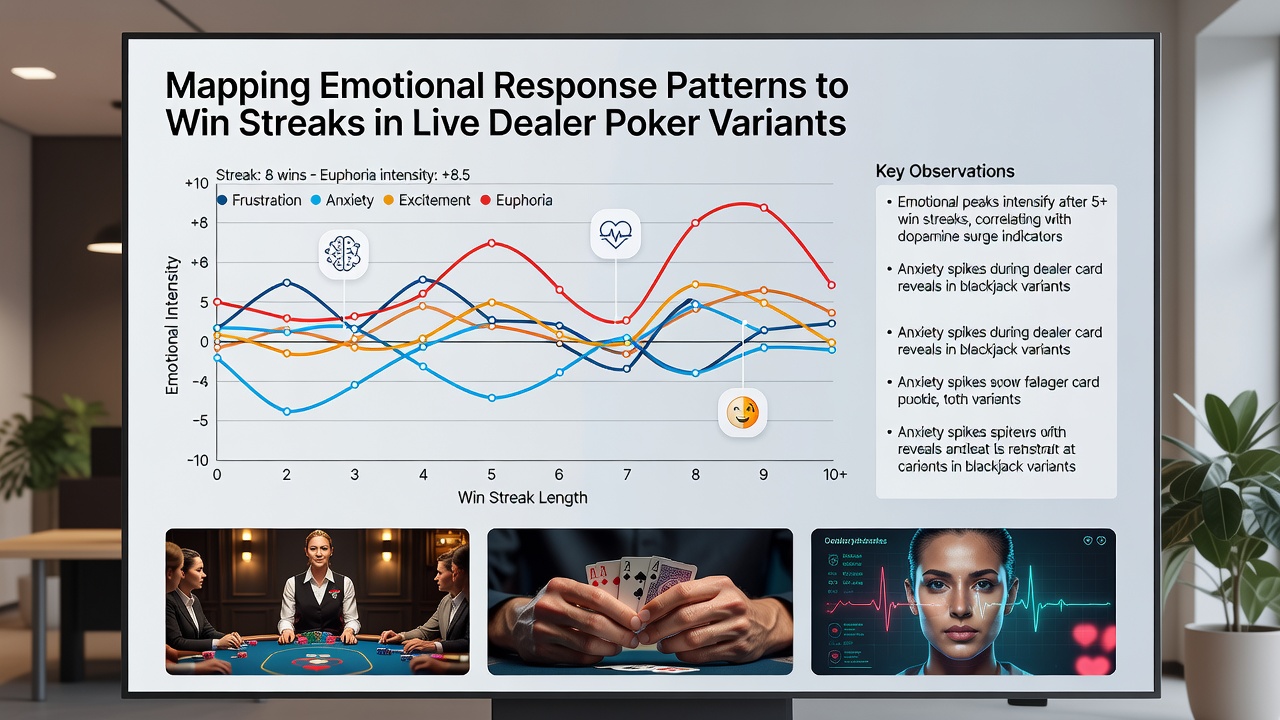
Regional regulatory frameworks influence how these patterns are recorded and shared, with some markets requiring anonymized aggregation before any external analysis occurs. Platforms operating under multiple licenses therefore maintain separate data silos that feed into centralized research efforts only after compliance checks, ensuring that emotional response maps remain accurate while respecting jurisdictional boundaries.
Integration with Responsible Gaming Protocols
Operators apply these mapped patterns to trigger automated interventions such as session reminders or temporary bet-limit suggestions when streak indicators exceed predefined thresholds, and early results from pilot programs indicate modest reductions in extended play among flagged accounts. Training materials for dealers now include guidance on recognizing visual cues that correspond to the documented response clusters, although enforcement remains the responsibility of platform algorithms rather than table staff. Reports from the European Gaming and Betting Association detail how one operator adjusted its notification cadence after reviewing streak-related data, resulting in a measurable drop in rapid re-buys during active winning runs.
Academic teams continue to refine predictive models that combine historical streak data with real-time biometric inputs, aiming to forecast when a participant may transition from measured aggression to impulsive sizing. These efforts draw on longitudinal records that span multiple years and cover thousands of unique player identifiers, providing a robust foundation for ongoing refinements in live dealer environments.
Conclusion
Mapping emotional response patterns to win streaks supplies operators and researchers with concrete metrics that describe how consecutive successes shape subsequent choices in live dealer poker, and the resulting datasets support both game design adjustments and player protection measures across varied regulatory landscapes. Continued collection of biometric and behavioral signals will likely expand the precision of these maps as technology advances through the remainder of 2026 and beyond.