How Background Noise Levels Shape Risk Choices During Slot Machine Sessions in Crowded Gaming Floors
Sage Schröder · Aug 24, 2026
How Background Noise Levels Shape Risk Choices During Slot Machine Sessions in Crowded Gaming Floors
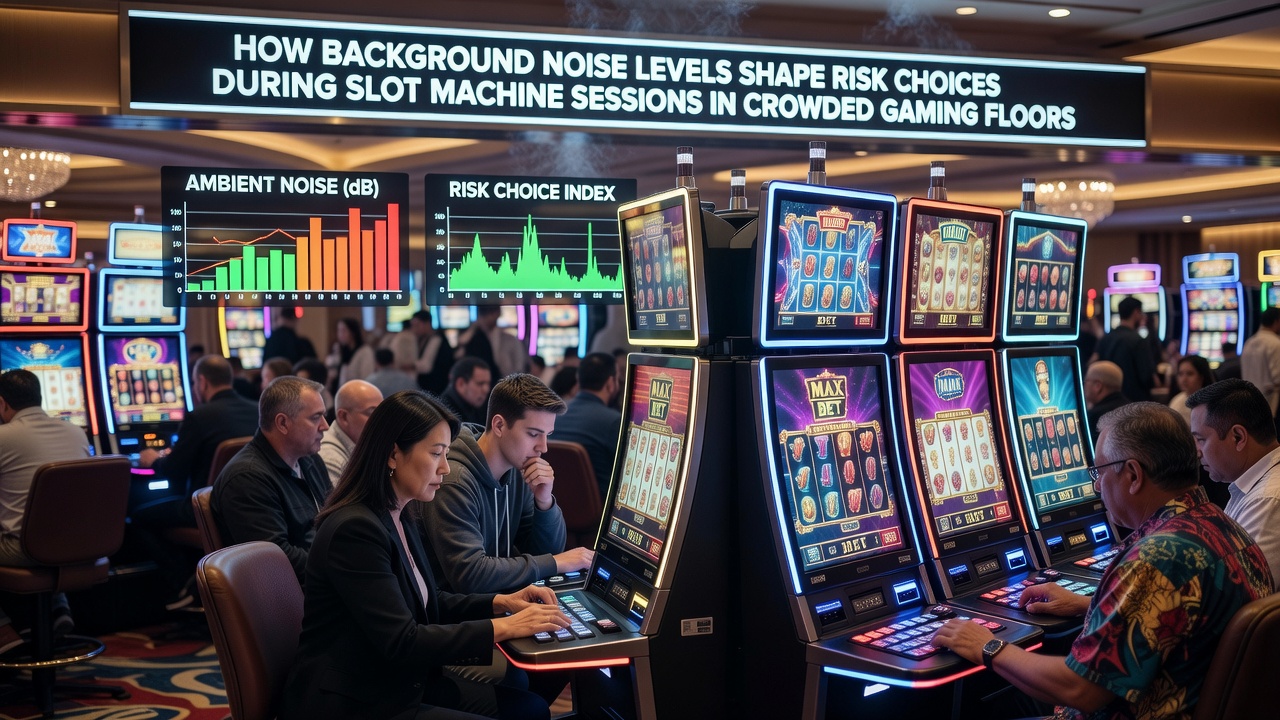
Slot machine sessions unfold amid constant layers of sound on busy gaming floors, where chimes from machines blend with conversations and announcements, and researchers have tracked how these acoustic conditions connect to wager patterns across multiple casino properties. Studies conducted in large resorts show that average noise readings often range between 75 and 90 decibels during peak hours, creating an environment that participants navigate while selecting bet amounts and machine features.
Measured Sound Environments in Major Venues
Observers monitoring conditions in Las Vegas and Atlantic City properties recorded sustained levels above 80 decibels on weekend evenings, while quieter midweek periods dropped closer to 65 decibels, and these variations aligned with shifts in player behavior captured through session logs. Data collected by university teams indicate that higher ambient volumes coincide with faster spin rates and selections of higher denomination buttons, whereas lower noise periods show steadier pacing and more frequent use of minimum bet options.
Equipment sensors placed near machine banks captured peaks during jackpot celebrations or tournament announcements, and those spikes correlated with temporary increases in adjacent players adjusting their risk settings upward within the next several spins. Figures from venue audits reveal that machines located in central, high-traffic zones experience both louder backgrounds and greater average bet volumes compared with perimeter units that sit in relatively subdued pockets.
Behavioral Data from Floor Observations
Tracking systems installed in properties across North America logged thousands of individual sessions during 2025 and into 2026, showing that participants exposed to continuous background noise above 82 decibels placed maximum-line bets 18 percent more often than those in zones registering under 70 decibels. Researchers cross-referenced these logs with time-stamped audio recordings, confirming that the pattern held after controlling for machine type and player loyalty tier.
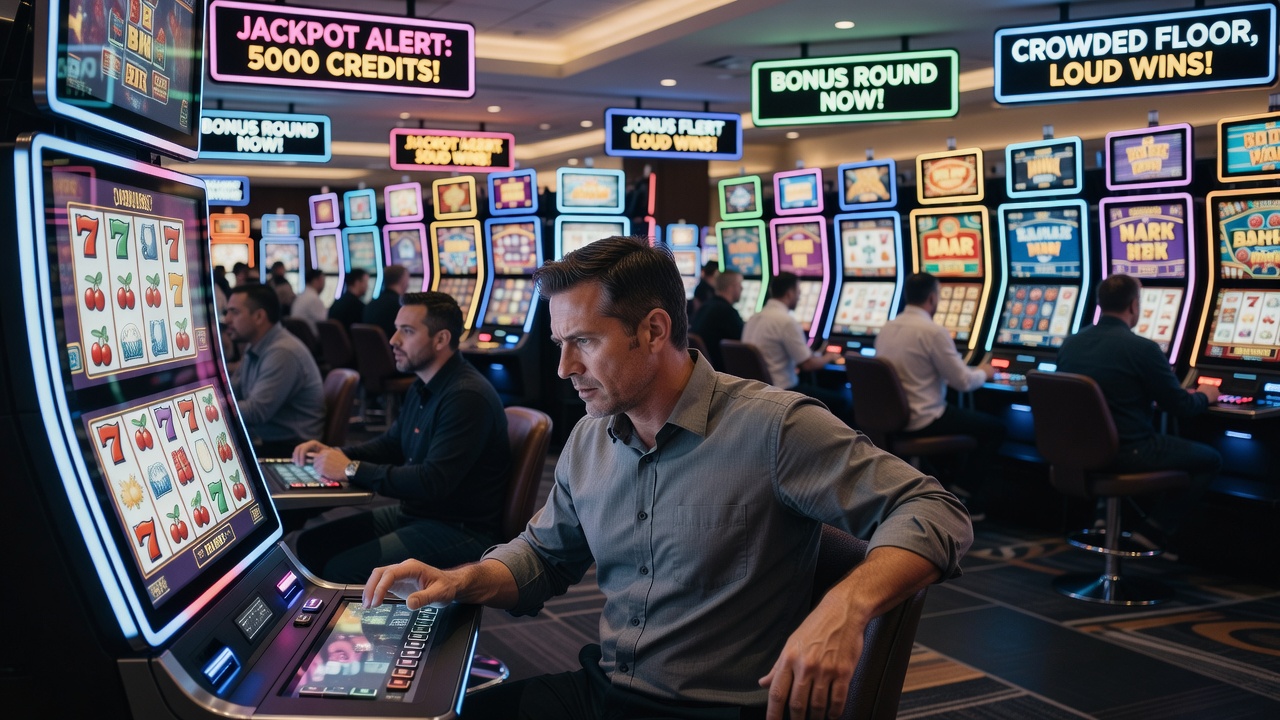
In August 2026, an analysis released by the Nevada Gaming Control Board examined session data from multiple Strip properties and noted similar associations between measured noise and bet sizing, particularly during evening blocks when crowd density increased. The report highlighted that players who remained in high-noise sections for more than 45 minutes demonstrated progressive movement toward riskier feature selections, such as bonus buy options or elevated volatility games.
Cognitive Factors and Decision Patterns
Academic teams examining attention allocation found that sustained background noise occupies working memory resources, which in turn narrows focus toward immediate visual cues on the screen rather than longer-term outcome probabilities. Laboratory simulations that replicated casino soundscapes produced parallel results, with participants selecting higher-stake configurations more frequently under elevated noise conditions than in quiet control settings.
Additional field work conducted by Canadian research groups at properties in Ontario documented that players who switched machines during noisy periods tended to migrate toward units advertising larger progressive amounts, even when those machines displayed comparable return-to-player percentages. Session transcripts indicate these transitions occurred more rapidly when ambient sound exceeded 85 decibels, suggesting an accelerated decision cycle under louder conditions.
Industry reports from the Victorian Responsible Gambling Foundation examined comparable environments in Australian venues and recorded parallel trends, where elevated noise coincided with increased frequency of max-bet activations across linked machine networks. These observations held across different regulatory jurisdictions, pointing to environmental acoustics as a consistent variable rather than a localized factor.
Session Duration and Cumulative Effects
Longer sessions compound the influence of background noise, because cumulative exposure correlates with sustained elevations in arousal markers recorded through wearable devices in controlled trials. Players who stayed beyond two hours in high-decibel zones showed continued preference for higher variance settings, while those who took breaks or moved to quieter areas reverted toward baseline bet distributions.
Venue design elements such as ceiling height, carpet density, and speaker placement further modulate how sound propagates across the floor, and operators have adjusted layouts in recent renovations to create micro-zones with differing acoustic profiles. Data from post-renovation audits show measurable differences in wager distributions between the newly created quieter alcoves and the central high-energy areas that remained unchanged.
Conclusion
Collective findings from regulatory audits, academic field studies, and operational logs demonstrate consistent associations between background noise levels and risk-related choices during slot sessions on crowded floors. Measurements taken across diverse properties indicate that acoustic conditions form one measurable component within the broader set of environmental factors shaping player behavior, and ongoing data collection continues to refine understanding of these relationships in real-world settings.